




Decoding an Ingredient Label: A Simple Guide Using Our Bakuchiol Serum
Decoding an Ingredient Label: A Simple Guide Using Our Bakuchiol Serum - Cascadia Skincare
Skincare ingredient lists can feel intimidating at first. Long Latin names. Scientific-looking words. Ingredients you recognize mixed with ingredients you have never heard of.
But once you understand the pattern, labels become much easier to read. In many cases, what looks complicated is simply the official ingredient name used on cosmetic labels.
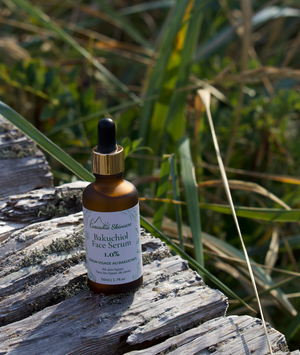
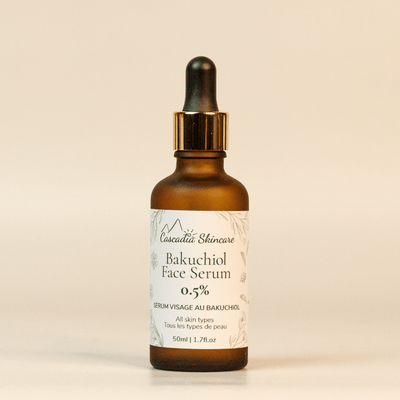
Let’s break it down using our Botanical Renewal Bakuchiol Serum as an example.
First, what is an INCI name?
INCI stands for International Nomenclature of Cosmetic Ingredients.
In simple terms, it is the standardized naming system used for cosmetic ingredients around the world. That is why a familiar ingredient like lavender oil may appear as:
Lavandula Angustifolia (Lavender) Oil
The first part is the botanical or Latin name. The part in brackets is the common name most people recognize.
How to read an ingredient list
There are three simple things to know.
1. Ingredients often use official names
A skincare label may not always say “olive-derived squalane” in plain English. Instead, it may use the official INCI-style name:
Olea Europaea (Olive Derived Squalane)
This helps keep ingredient names consistent and recognizable across different countries and product labels.
2. Plant ingredients often include both Latin and common names
For botanical oils and extracts, you will often see the plant’s Latin name first, followed by the familiar name in brackets.
For example:
Simmondsia Chinensis (Organic Jojoba) Seed Oil
That simply means organic jojoba seed oil.
3. Ingredients are usually listed from highest to lowest amount
In most skincare products, ingredients are listed in order of concentration, from the largest amount to the smallest amount.
This means the first few ingredients usually make up the base of the product.
In an oil serum, this tells you a lot about the product’s texture, feel, and purpose.
Example: Our Bakuchiol Serum Ingredient List
Here is the ingredient list for our Bakuchiol Serum:
Olea Europaea (Olive Derived Squalane), Camellia Oleifera (Organic Camellia) Seed Oil, Simmondsia Chinensis (Organic Jojoba) Seed Oil, Rosa Canina (Organic Rosehip) Seed Oil, Bakuchiol Oil, Lavandula Angustifolia (Lavender) Oil, Pogostemon Cablin (Patchouli) Oil, Citrus Aurantium Dulcis (Sweet Orange) Peel Oil, Cedrus Atlantica (Cedarwood) Oil
Now let’s translate it into plain English.
Ingredient-by-ingredient breakdown
Olea Europaea (Olive Derived Squalane): This is olive-derived squalane.
Squalane is a lightweight moisturizing oil that helps soften the skin and support the skin barrier. It gives the serum a silky, smooth feel without feeling overly heavy.
Camellia Oleifera (Organic Camellia) Seed Oil: This is organic camellia seed oil.
Camellia oil is a nourishing botanical oil known for its soft, elegant feel on the skin. It helps keep the complexion feeling smooth, supple, and cared for.
Simmondsia Chinensis (Organic Jojoba) Seed Oil: This is organic jojoba seed oil.
Jojoba is technically a liquid wax that closely resembles the skin’s natural oils. It helps soften and balance the skin while still feeling light and comfortable.
Rosa Canina (Organic Rosehip) Seed Oil: This is organic rosehip seed oil.
Rosehip oil is rich in essential fatty acids and is often loved by those with dry, dull-looking, or mature skin. It adds nourishment and helps the skin look more radiant.
Bakuchiol Oil: This is the star active ingredient in the serum.
Bakuchiol is a plant-derived ingredient often used as a gentle alternative to retinol. It is popular in natural skincare because it supports a smoother, more refined-looking complexion without the same reputation for harshness that traditional retinol can have.
Lavandula Angustifolia (Lavender) Oil: This is lavender essential oil.
In this formula, lavender contributes to the soft botanical aroma of the serum. It gives the product a calm, floral note.
Pogostemon Cablin (Patchouli) Oil: This is patchouli essential oil.
Patchouli adds depth, warmth, and an earthy richness to the scent profile.
Citrus Aurantium Dulcis (Sweet Orange) Peel Oil: This is sweet orange peel essential oil.
It brings a bright, fresh citrus note that balances the deeper botanical oils.
Cedrus Atlantica (Cedarwood) Oil: This is cedarwood essential oil.
Cedarwood gives the serum an earthy, grounding finish and rounds out the natural aroma.
What this ingredient list tells you
Once you decode the ingredient list, the formula becomes much easier to understand.
The base of the serum is made with nourishing plant oils, including olive-derived squalane, camellia, jojoba, and rosehip. These ingredients create the silky, moisturizing feel of the product.
Bakuchiol is the key active ingredient, chosen for its role in supporting smoother, more radiant-looking skin.
The essential oils are included in smaller amounts to create the serum’s natural botanical aroma.
Why we like transparent ingredient lists
We believe skincare should feel understandable.
You should not have to be a chemist to know what you are putting on your skin. Ingredient labels may look technical, but with a little decoding, they can tell a simple story:
What the product is made of.
What gives it texture.
What supports the skin.
What creates the scent.
For our Bakuchiol Serum, that story is simple: a nourishing oil-based serum made with botanical oils, bakuchiol, and a warm natural essential oil blend.
The takeaway
Ingredient labels are not meant to scare you. They are there to help you understand what is inside the product.
Once you know how to spot Latin names, common names, and ingredient order, reading skincare labels becomes much easier.
And sometimes, the most complicated-looking names are simply familiar plants written in their official form.